Mobile Phone Technology
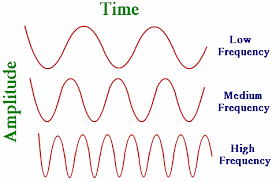 image ©recordingstudiorockstars.com
Frequencies used for mobile phone technology range from 700MHz to 3.8GHz; with 26GHz coming on stream. These frequencies have different characteristics and as such have different uses in data transmission. In fact 4G & 5G uses a range of frequencies to be able to match the demands of the networks with the characteristics of the waves.
- The lower frequencies in use for mobile communications range from 700MHz to 900MHz. These can travel large distances, typically 5km from the mast, but they carry less data, the amount of data sent is proportional to the frequency. These frequencies are used to gain coverage. These frequencies are also able to travel through the walls of our houses without significant data loss.
- To cater for higher data demands, in 5G in particular, frequencies between 3.4GHz and 3.8GHz. These will have a much higher data transfer rate (around 5 times the lower frequencies) but travel shorter distances, up to 1km rather than 5Km. These waves are used to gain capacity in busy areas such as city centres. However they loose a signigiant amount of their power when travelling through homes - brick walls especially.
- Between these two types of waves, mobile communications use waves of 1800MHz, 2100MHz and 2.6MHz. the characteristics of these waves lie between the two types of 5G waves discussed above.
- One of the initial technologies for 5G waves was mmWaves. These are at 26GHz and potentially 40GHz. These will travel 100m or so and even less outside; but they will have a much larger capacity for data. Currently (2025-10-31) OfCOM have not released mmWaves for mobile communications in the UK, although there is to be an auction at the end of 2025. With the properties of these waves, they will be for very specialised use; probably not for general customer mobile phone use.
We may have started to use our mobile phones to make phone calls but now these devices are key to our modern society. We use our mobile phones for directions in a strange city; to access our money through our banking and credit card apps; for tickets to travel whether that is bus, train or air; tow watch videos; to take images and buy stuff.
To allow all these applications we need a robust mobile network. mpt-5g.co.uk seeks to provide information about the technology behind the mobile phone in order to aid understanding and promote more realistic discussions about the technology. Understanding some of the basics of mobile phone technology will help explain how things work and what can and cannot be done with mobile phone technology.
mpt-5g.co.uk is a FREE online resource. Have you found it interesting? You can say thank you and buy me a coffee here. Thank you very much.
w : mpt-5g.co.uk
e :
 Blog
Blog
© mobilephonetechnology.co.uk all rights reserved 2017-2025