Mobile Phone Technology
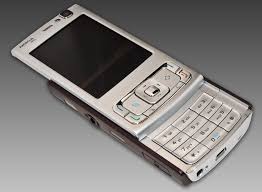
A 3G smart phone with all the features.
3G was designed as the new mobile network for the new millennium. It was a data only network but did not provide a phone network; this was provided by 2G. The demand was for a multi-media data network; 2G was largely text based. 2G Edge had squeezed a lot out of an older network design. Now it was time to build a new network, based on improvements to the tried and tested technologies within 2G.
The licenses for 3G were sold in the UK in April 2000 to five companies
- Vodafone
- O2
- Orange
- T-Mobile
- Three
From the early beginnings of 3G, a number of improvements were made and the final version of 3G included HSPA+ [High Speed Packet Access]. The network predominantly ran at 2100MHz which would give a coverage of 3km, less than the 2G network, meaning that 2G and 3G co-existed throughout the life of 3G. 2G was used for phone calls and 3G would drop back to 2G when 3G connection was too weak.
By 2010 3G was no longer the current generation of mobile phone technology, 4G was just around the corner and 4G was designed to be much better at delivering the mobile Internet. The end of 2025 will see the end of 3G, the network is being switched off, overtaken by 4G, both in coverage as well as capability. Anyone with a 3G phone, of which there are few, will find their phone dropping back to 2G. By autumn 2025 Vodafone, Three and EE had switched off their 3g networks, O2 will follow by the end of 2025. Once switched off the 3G frequencies will be re-farmed to 4G.
We may have started to use our mobile phones to make phone calls but now these devices are key to our modern society. We use our mobile phones for directions in a strange city; to access our money through our banking and credit card apps; for tickets to travel whether that is bus, train or air; tow watch videos; to take images and buy stuff.
To allow all these applications we need a robust mobile network. mpt-5g.co.uk seeks to provide information about the technology behind the mobile phone in order to aid understanding and promote more realistic discussions about the technology. Understanding some of the basics of mobile phone technology will help explain how things work and what can and cannot be done with mobile phone technology.
mpt-5g.co.uk is a FREE online resource. Have you found it interesting? You can say thank you and buy me a coffee here. Thank you very much.
w : mpt-5g.co.uk
e :
 Blog
Blog
© mobilephonetechnology.co.uk all rights reserved 2017-2025