Mobile Phone Technology
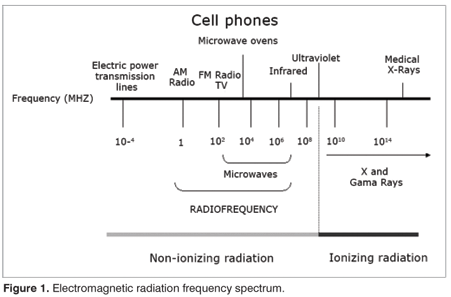 image ©electroschematic.com
In the UK OfCOM are responsible for the allocation and oversight of the frequencies used for communications. This covers TV, mobile, and other radio communications. They initially allocate frequencies specifically for a 'generation' of mobile communications. Later on the companies have been given permission to use frequencies for different uses because of various factors including the relative demands on the frequencies. So what sets off as a very organised allocation does change over time. Also OfCOM re-allocates frequencies to be 'fair' to the companies as a result of takeovers and mergers.
Initially 2G was transmitted on 900MHz, allocated to Vodafone and O2, and 1800MHz allocated to Orange and T-Mobile, now taken over by EE. Later some re-allocation of the 1800MHz frequency to Vodafone and O2 was arranged following the merger of Orange and T-Mobile. Currently these are the frequencies used for 2G. EE were allowed by OfCOM to use their spare capacity on 1800MHz for their first 4G operation.
3G was originally transmitted at 2.1GHz and the band is shared between the five operators Vodafone, THREE, O2 and EE (Orange and T-Mobile). Now that 3G is all but switched off, this frequency will be re-farmed to support 4G network coverage, once permitted by OfCOM.
The original 4G frequencies were 800MHz which would provide the coverage over the UK and 2.6GHz which is used to add capacity. All operators have access to 800MHz frequency but only Vodafone and EE have access to the higher frequency. Three preferred to re-farm their 1800MHz allocation to 4G. O2 operate all their 4G network at 800MHz.
This split into coverage and capacity was repeated with 5G. 700MHz was is used to provide coverage and 3.4-3.8 for capacity. Vodafone decided not buy any 700MHz frequency as they had a lot at 800MHz / 900MHz which could be re-farmed. The higher frequency auction was more complex as THREE owned a lot of frequency 3.6 -3.8GHz following their purchase of UK-Broadband and the requirement for each operator to have a continuous block rather than split blocks in this frequency range.
OfCOM are currently considering the release 26GHz for mobile phone operation. These mmWaves are different in nature to all other frequencies and are not suitable for 'normal' mobile phone operation. They do not travel far but have great capacity and are likely to be used in Industrial applications.
| 2G | 4G | 5g | |
|---|---|---|---|
| Three | - | 800Mhz 1800MHz | 700MHz 3.4-3.8GHz |
| O2 | 900MHz 1800MHz | 800Mhz | 700MHz 3.4-3.8GHz |
| Vodafone | 900MHz 1800MHz | 800Mhz 2.6GHz. | 3.4-3.8GHz |
| EE | 1800MHz | 800Mhz 1800MHz 2.6GHz. | 700MHz 3.4-3.8GHz |
We may have started to use our mobile phones to make phone calls but now these devices are key to our modern society. We use our mobile phones for directions in a strange city; to access our money through our banking and credit card apps; for tickets to travel whether that is bus, train or air; tow watch videos; to take images and buy stuff.
To allow all these applications we need a robust mobile network. mpt-5g.co.uk seeks to provide information about the technology behind the mobile phone in order to aid understanding and promote more realistic discussions about the technology. Understanding some of the basics of mobile phone technology will help explain how things work and what can and cannot be done with mobile phone technology.
mpt-5g.co.uk is a FREE online resource. Have you found it interesting? You can say thank you and buy me a coffee here. Thank you very much.
w : mpt-5g.co.uk
e :
 Blog
Blog
© mobilephonetechnology.co.uk all rights reserved 2017-2025